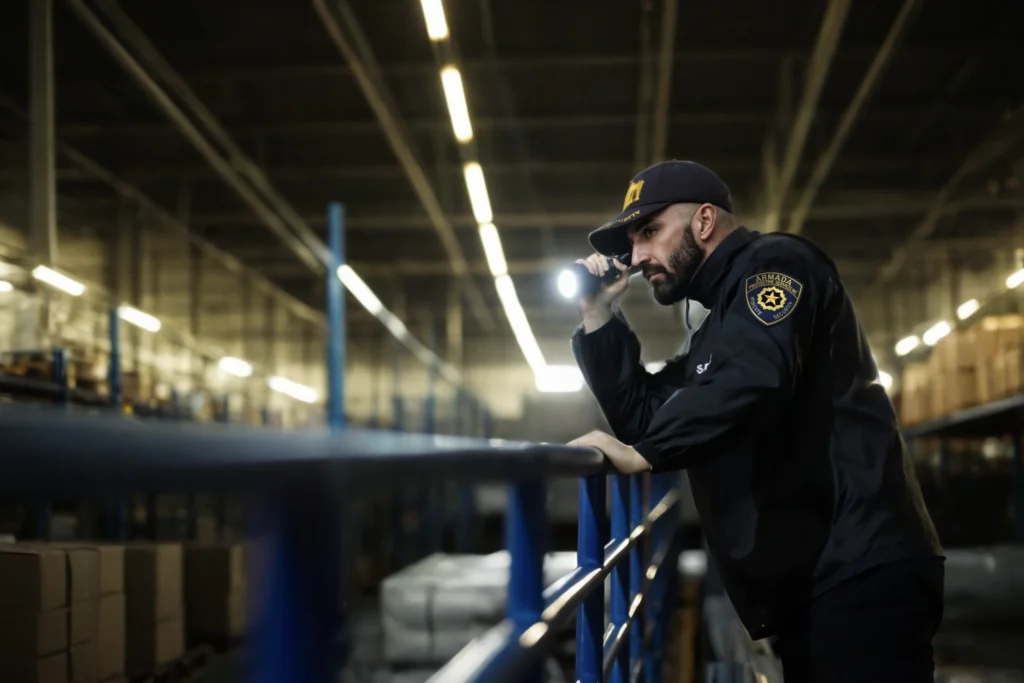
Fire watch guard services keep buildings operating when fire protection systems are impaired, under maintenance, or when hot work or code enforcement requires a continuous human watch. In San Francisco, these requirements are typically set or approved by the San Francisco Fire Department (Fire Marshal / Bureau of Fire Prevention) and the Department of Building Inspection as the main Authorities Having Jurisdiction (AHJs).
Fire watch guards follow written instructions based on those AHJ requirements: they patrol specified routes, watch hot‑work and high‑risk areas, and maintain detailed fire watch logs so you can stay open, demonstrate compliance, and reduce real fire risk while systems are restored.
Fire watch is not a “nice to have”; it is triggered by specific conditions in codes, permits, or by direction from the fire marshal or other AHJ.
Impaired fire protection systems: Planned maintenance or unexpected failures affecting alarms, sprinklers, standpipes, monitoring, or suppression systems.
Special orders from AHJs or insurers: Direct requirements from SFFD, DBI, insurers, or internal safety management to maintain a fire watch for a defined period.
Construction, renovations, or outages: Projects that temporarily disable detection, monitoring, or egress paths, especially in occupied buildings.
Hot work and high‑risk operations: Welding, cutting, or grinding that produces sparks, slag, or heat near combustibles, including required post‑work monitoring time.
Fire watch guards remain on‑site continuously for the required window and are not allowed to leave or be pulled off to unrelated tasks.
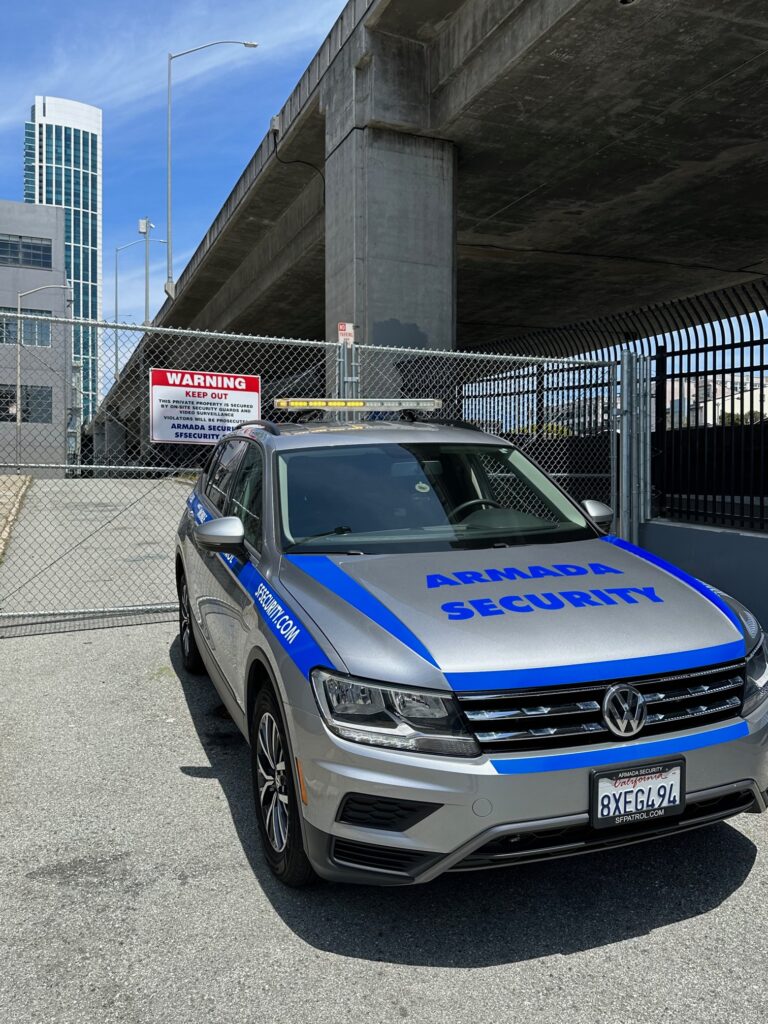
Fire watch guards walk specific routes set by AHJ instructions and your building layout.
The goal is to catch fire risks before they become an emergency.
If smoke or fire is found, guards follow clear steps instead of improvising.
Documentation shows AHJs and insurers that fire watch was actually performed.
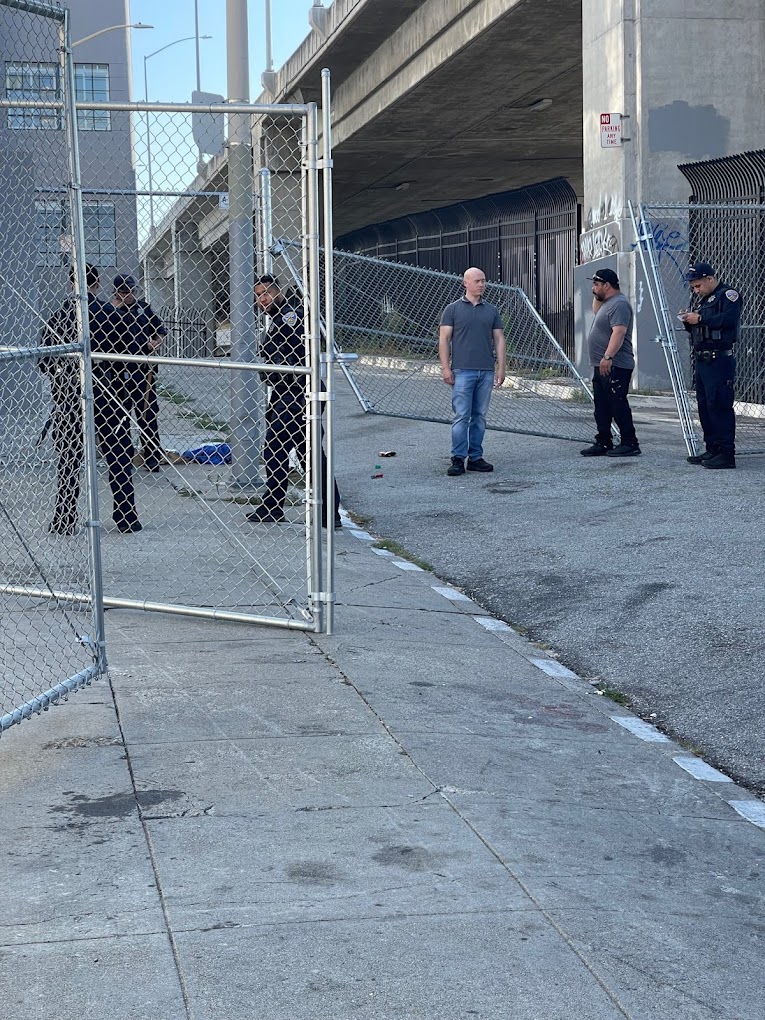
Fire watch is more specialized and constrained than standard security guard work. Knowing the difference helps avoid gaps that could get flagged by AHJs or insurers.
Primary focus: Fire watch guards focus on fire hazards and impaired systems, while regular guards focus on crime prevention, access control, and general safety.
Patrol pattern: Fire watch patrol routes and intervals are dictated by code or AHJ instructions; regular patrols are usually built around risk and operations.
Documentation: Fire watch logs must meet specific content and timing requirements and may be inspected by fire officials or investigators after a fire.
In some cases a single officer can perform both roles, but fire watch tasks must never be replaced by casual or irregular security checks.
Not every guard is a candidate for armed work; the bar is higher on background and judgment.
Guards receive focused training on how fire watch differs from regular security.
Each assignment includes a briefing on the exact rules for that building.
Guards are trained on what to do and who to call when something goes wrong.
Armada treats fire watch as a compliance‑critical service tied directly to SFFD and DBI expectations, not just another patrol assignment. The goal is to keep your building open and safer while staying aligned with AHJ requirements.
Risk, assets, incident history, and internal policies are reviewed before suggesting armed posts, so you see when armed coverage is and is not justified. You then choose between unarmed, armed, or a blended model that matches your risk tolerance and budget.
Armed officers receive additional background checks, firearms history review, and suitability screening compared to standard unarmed guards. Only candidates who pass these steps and complete firearms and legal training are assigned to armed roles.
Armed security guard services follow written use‑of‑force policies that emphasize de‑escalation and clear legal limits. Serious incidents are documented in detail and reviewed by supervision, with corrective action if procedures are not followed.
Yes. Many properties use unarmed guards for general coverage and reserve armed officers for specific posts, times, or entrances where the risk picture justifies it. This blended approach helps manage both risk and cost.
Supervisors track check‑ins, GPS activity, and reports for armed posts and follow up on missed scans or unusual gaps. They also conduct site visits and use your feedback for coaching, retraining, or reassignment when needed.
Armed posts use written post orders, digital checklists, and structured reports so each officer follows the same expectations. Supervisors review activity and correct drift early instead of waiting for complaints.
Officers follow a clear escalation path that defines when to contact law enforcement, who to notify on your side, and what information to provide. This keeps responses coordinated and reduces confusion during serious incidents.
Ideally, there is enough lead time to complete vetting, site review, and post‑order design before the first shift. Rush deployments are possible in some cases, but planned mobilizations allow better guard selection and fewer last‑minute compromises.
Our 24/7 Mobile Patrol Security provides premier defense against property crime and unauthorized access across San Francisco. GPS-tracked patrol vehicles create an active security presence that static guards cannot match.
If you’re looking for a mobile patrol service that can provide perimeter checks in San Francisco. Look no further than Armada Patrol Service. Our goal is to provide our clients with the highest level of security possible. Our mission is to keep our clients safe and secure, and our perimeter checks are just one way we do this.
Our mission is to keep our clients safe and secure, and our alarm response services are second to none. So if you need alarm response services in San Francisco, don’t hesitate to contact us today. Our alarm response team is highly trained and experienced, and we will be able to quickly and effectively respond to any alarm that goes off on your property.
If your alarms or sprinklers are down, you have upcoming hot work, or an inspector has mentioned fire watch, coverage usually needs to be set up quickly and correctly.
Share your building type, impairment details, and any AHJ instructions, and Armada can provide a fire watch guard services plan with patrol frequency, logging requirements, and pricing so you can stay open and compliant.