
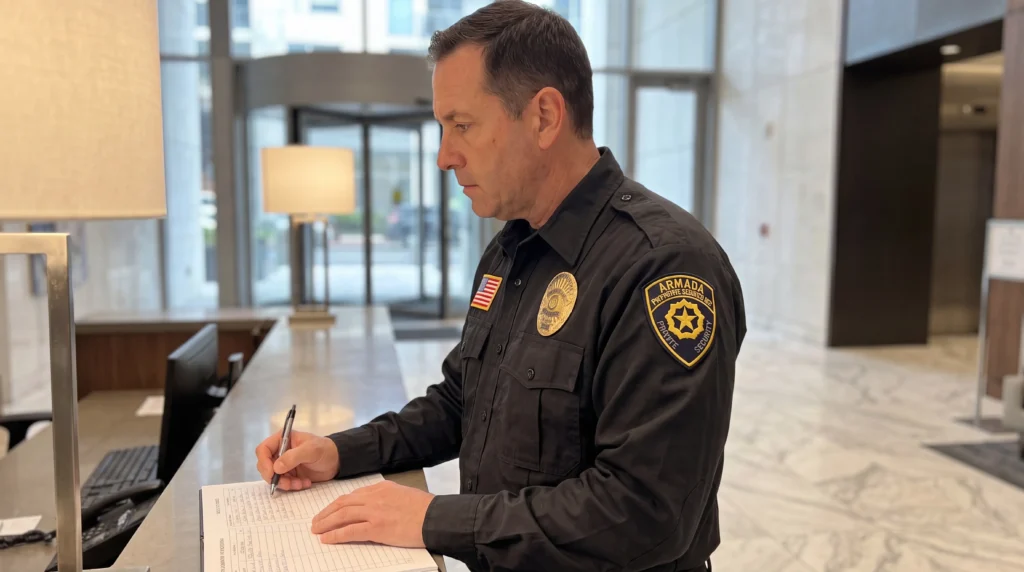
What is fire watch, and does your San Francisco building require it? Fire watch is a mandatory, documented patrol. It serves as a human backup to your building fire alarm systems. This patrol is necessary when systems are offline.
We are a locally owned and operated security firm. We have been serving the San Francisco Bay Area for over 30 years. Our team provides dedicated, BSIS-licensed officers. We provide these services under our long-term B2B patrol agreements. As a top-rated security firm, we keep your site safe. Our clients rate us as a premier local patrol provider near your property.
What Is Fire Watch | Regulatory Context
What is fire watch under SFFD regulations? San Francisco enforces strict rules. These rules are based on the California Fire Code and NFPA 25 standards.
When your fire alarm or sprinkler system fails, you must act fast. You must start a patrol within one hour of the failure. Your alternative is to fix the system right away.
We coordinate with SFPD and SFFD to maintain safety. SFFD inspectors check your logs for accuracy. The logs must cover all key areas. Incomplete records can lead to heavy fines for your property. We ensure your documentation is always perfect.
When Does Your Building Need Fire Watch?
What is fire watch needed for in local buildings? Our B2B contract clients use these services during specific events:
- Sprinkler system repairs and valve work.
- Fire alarm outages during panel upgrades.
- Total power failures that disable safety alarms.
- Commercial kitchen system service.
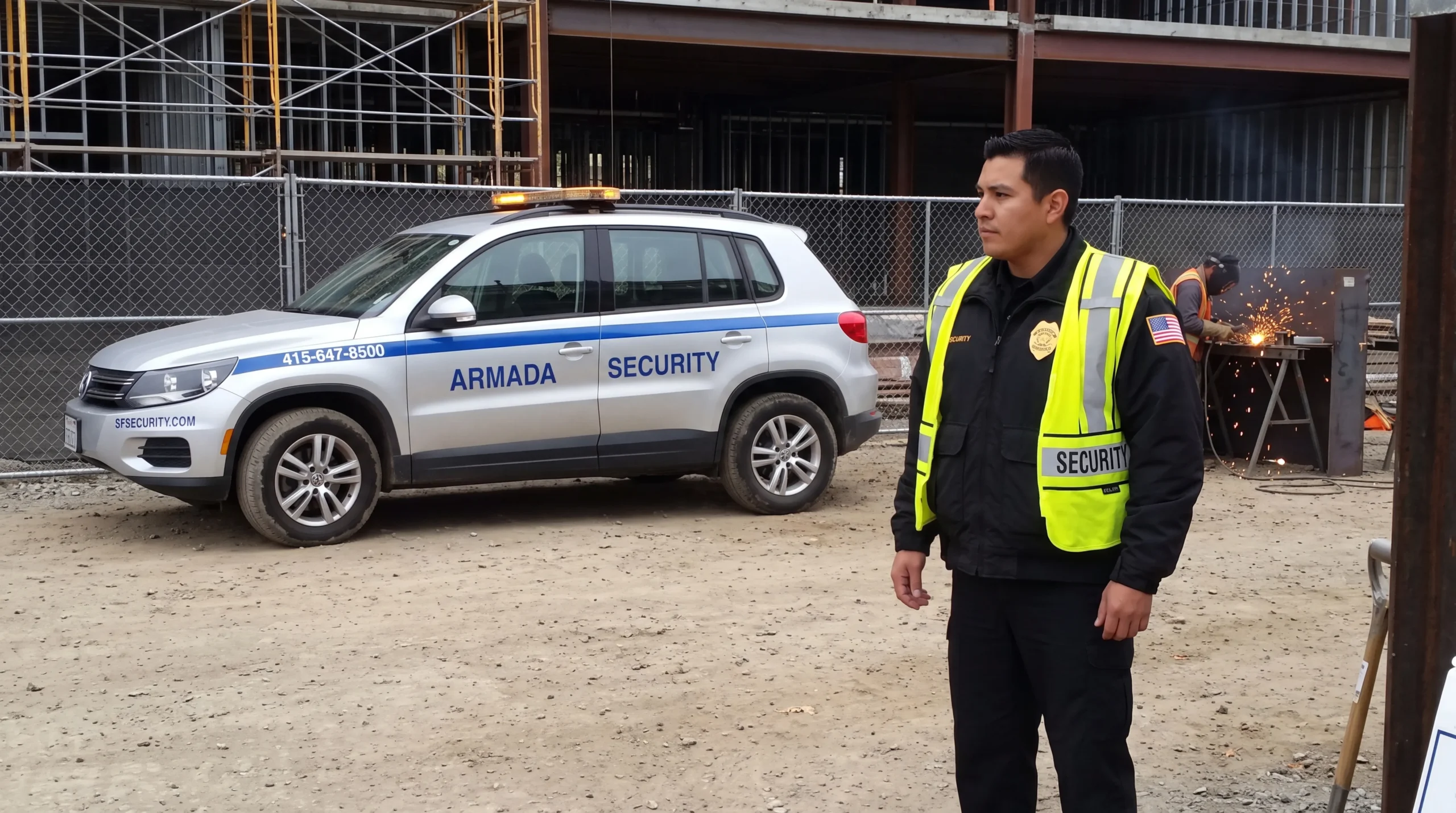
- Hot work like welding and grinding.
- Active building phases where alarms are not active yet.
We handle these needs under our ongoing, recurring security service agreements. This ensures your site has constant, dependable coverage. We focus on long-term B2B contracts to give you the best support.
What Fire Watch Officers Do
Our trained officers perform the exact patrols SFFD requires. They use proven safety protocols.
- Patrolling all floors, stairs, and utility rooms.
- Watching for smoke, heat, and strange smells.
- Checking hot work zones after construction stops.
- Keeping clear, written logs with exact patrol times.
- Calling 911 immediately if they see a fire.
- Managing orderly evacuations when necessary.
We keep all logs on site for easy SFFD review. Our team ensures total compliance during every patrol.
What Is Fire Watch for Hot Work?
Hot work is common in the active San Francisco market. What is fire watch for when welding occurs? State code requires a guard during the work. The guard must also stay for 60 minutes after work stops.
Many fires start long after workers leave. Materials can smolder inside walls or ceilings. The safety guard monitors these areas to prevent fires. This protocol is vital for your long-term risk management.
What Is Fire Watch Training?
Our guards are highly trained professionals. We require deep training for all staff. What does this training include?
Our officers learn the California Fire Code. They study NFPA 25 rules and fire detection steps. They also learn how to use extinguishers and lead evacuations.
All officers pass rigorous background checks and screening. We hold complete training certifications. This ensures your site meets all local laws.
Buildings That Require Fire Watch in San Francisco
What buildings need these patrols? We provide continuous, long-term coverage for many local property types:
- Commercial offices in SoMa, the Financial District, and the Mission District.
- Hotels and hospitality venues near your property in the Marina.
- Medical sites and hospitals.
- Multi-family housing complexes and HOAs.
- Industrial sites in the Bayview and Dogpatch neighborhoods.
- Active construction sites with recurring security needs.
Coverage Areas
We are a premier Bay Area local patrol provider. We cover the entire city. Our team works in SoMa, the Financial District, and the Mission District. We also serve the Marina, Bayview, and Dogpatch.
We support our contract clients with reliable, round-the-clock service. We handle planned maintenance and unexpected outages. Our service runs 24 hours a day, 365 days a year.
Frequently Asked Questions
What does fire watch cover when a fire alarm or sprinkler system is down?
Fire watch means trained patrols watch the site, note hazards, and report unsafe conditions until the fire system is back in service. We keep clear logs, check set routes, and watch for smoke, heat, blocked exits, or other signs of risk. In San Francisco, the goal is to keep the building under active watch and to support code compliance while repairs move forward.
What should a San Francisco property manager ask before hiring a fire watch team?
Ask who is licensed, what patrol log they keep, how often they check the site, and how they report issues. We are licensed by the State of California under BSIS Private Patrol Operator License PPO 120526. You should also ask how the team is staffed, how fast they can start, and who stays in contact with your building staff or vendor crew.
What affects fire watch cost in the Bay Area?
The main cost drivers are the size of the site, how many hours we must cover, how many patrols the post needs, and whether the building needs day, night, or full-time coverage. Access rules, parking, stair count, and the number of separate areas to check can also raise the work load. A clear scope and a clean route plan help keep the service efficient.
How fast can fire watch start after a system failure or shutdown?
Start time depends on where the site is, how complex the post is, and when we get the needed site details. The fastest response comes when you can give us the address, the hazard, the start time, access rules, and a contact who can meet our team. For occupied buildings, fast notice matters because the watch should begin before the site is left without active checks.
What can go wrong if fire watch is handled the wrong way?
The biggest risks are missed patrols, weak logs, poor handoff notes, and gaps in coverage when a shift changes. That can leave your site exposed if an alarm, smoke issue, or blocked path is not seen and reported in time. A proper fire watch should have clear rounds, written records, and a direct line to management so issues are not lost.
